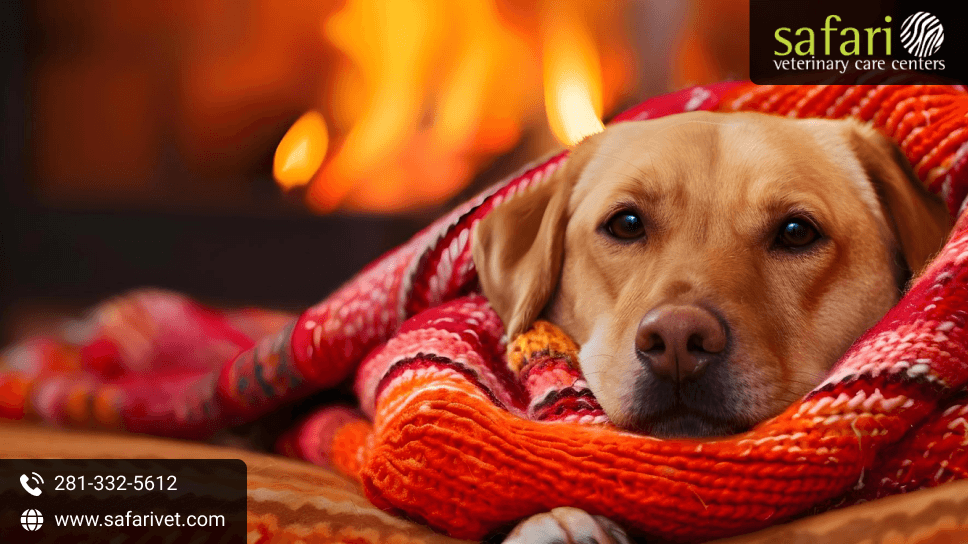
What Temperatures Are Unsafe for Dogs and Cats?
A single outdoor temperature cannot tell you whether a dog or cat will be comfortable and safe.
A healthy adult dog with a dense coat can tolerate conditions that feel uncomfortable to a small, thin-coated dog. A young puppy needs more protection than a healthy adult of the same breed.
A senior cat may have trouble with cold exposure even when a young cat seems comfortable.
The same weather can also feel very different when a pet is wet or exposed to wind.
Think about these factors before deciding whether your pet should stay outside:
- Age: Puppies, kittens, and senior pets can have tough times regulating body temperature.
- Size: Small-bodied dogs have less body mass to help retain heat.
- Coat: Short, thin, or sparse coats provide less insulation than dense coats.
- Body condition: An underweight pet may have less insulation.
- Health: Some illnesses can affect temperature regulation or make cold exposure hard to tolerate.
- Wet fur: A wet coat can increase heat loss.
- Wind: Wind can increase the effect of cold exposure.
- Time outside: A quick bathroom break is very different from several hours outdoors.
So, if you are wondering, “Is 40°F too cold for my dog?” numbers are not the only answer.
Watch the dog in front of you.
If your dog is shivering, refusing to continue a walk, lifting its paws, hunching up, or trying to get back inside, there is little reason to insist on staying outside. Dogs can show cold discomfort through behavior before a serious problem develops.
Cats are hard to read. Some cats hide discomfort, so an indoor-outdoor cat disappearing outside during a cold spell should not be considered as it is comfortable.
What Makes a Pet More Vulnerable to Cold?
Some pets need extra protection from cold weather. Yet, the thing is it does not mean every puppy, senior dog, or short-haired cat will have the same response. It means you have less room for guesswork.
-
Puppies and Kittens
Young animals are still developing their ability to regulate body temperature. A puppy that spends several hours outside in cold weather needs more supervision than a healthy adult dog that is accustomed to outdoor activity.
Kittens deserve similar caution, particularly if they are very young or have limited body reserves.
-
Senior Dogs and Cats
Age can come with health issues, reduced mobility, and other changes that affect how a pet handles colds.
A senior dog with arthritis may also find a cold walk uncomfortable for reasons beyond temperature alone.
-
Small and Short-haired Pets
A Chihuahua and a thick-coated northern breed should not be expected to tolerate cold weather in the same way.
Small dogs, thin-coated dogs, hairless breeds, and cats with sparse coats need additional warmth.
-
Pets With Health Problems
Pets with certain medical conditions have less tolerance for cold. A pet recovering from illness or surgery may also need additional protection.
If your dog or cat already has a medical condition, ask your veterinarian whether cold weather changes the precautions you should take.
How to Keep Pets Warm in Winter
Good winter care starts before your pet is uncomfortable.
Give your dog or cat a warm, dry place to rest. Keep the bed away from cold floors and areas where the pet cannot get comfortable.
A few practical changes can help:
- Use dry, comfortable bedding for your pet.
- Keep their sleeping areas away from cold drafts.
- Bring wet pets inside and dry them promptly.
- Reduce unnecessary time outdoors during cold weather.
- Use a sweater or coat when it is appropriate for your individual pet.
- Check your pet after outdoor activity instead of assuming its coat provided enough protection.
- Keep indoor cats indoors during colder periods.
- Give senior, young, small, and medically vulnerable pets extra protection.
A coat can help some dogs, but please do not leave the dog outside for a long time.
Avoid placing a direct high-heat source against your pet’s body. A pet that cannot move away from the heat can suffer burns.
The goal is to be warm and dry, not hot.
How Should You Change Winter Dog Care?
Your dog still needs exercise in winter.
That does not mean every walk has to follow the same routine you use during warmer months.
If your dog starts shivering, refuses to keep walking, repeatedly lifts its paws, or tries to head home, listen to the signal. Bring the walk to an end and let the dog warm up.
For uncomfortable conditions, you can:
- Make the walk shorter.
- Choose a time of day with better conditions.
- Add indoor play or training.
- Keep outdoor bathroom trips brief.
- Dry your dog after rain or other wet exposure.
- Check the paws after walks.
- Give puppies, senior dogs, small dogs, and short-haired dogs more protection.
A dog coming inside after a walk and continuing to shiver deserves attention. Give the dog a warm, dry place and watch for other signs of illness or weakness.
Do not keep extending outdoor exercise simply because the dog gets a certain amount of walking each day.
Your dog’s comfort takes priority over maintaining the winter walking routine.
What About Cats? Is Winter Outdoor Time Safe?
For cats, indoor shelter should be the default when temperatures fall.
Indoor-outdoor cats may still try to go outside, but their willingness to explore does not tell you how well they will cope with prolonged cold exposure.
A cat may crawl under a vehicle, into a shed, or into another enclosed space while looking for warmth. That creates another safety problem. Check garages, sheds, and other enclosed areas before closing them if neighborhood cats may have access.
If you care for an outdoor cat that cannot immediately come inside, provide a dry, protected shelter away from wind and moisture. Bring the cat indoors whenever possible during colder conditions.
Kittens, senior cats, thin cats, and cats with health problems need extra caution.
Watch for changes such as hiding, curling tightly into a ball, shivering, weakness, or unusual tiredness. Cats can hide signs of discomfort, so a change in behavior deserves attention.
Which Pets Need Extra Protection From Cold Weather?
| Pet | Why extra care may be needed |
| Puppies | Young animals may have more difficulty regulating body temperature. |
| Kittens | Young kittens are vulnerable to cold exposure. |
| Senior pets | Age, mobility, and health conditions can affect cold tolerance. |
| Small dogs | Small body size can make heat loss a great concern. |
| Short-haired pets | A thin coat provides less insulation. |
| Hairless breeds | They have little natural coat protection from cold. |
| Underweight pets | Less body insulation can increase sensitivity to cold. |
| Pets with certain illnesses | Some health conditions can affect temperature regulation or overall cold tolerance. |
| Pets recovering from illness or surgery | Recovery can increase the need for controlled, comfortable conditions. |
The table is a guide, a pet’s individual health and circumstances still matter.
How Can You Tell If Your Pet Is Too Cold?
Your pet’s behavior can give you an early warning.
Signs Your Pet May Be Uncomfortable
Look for:
- Shivering or trembling
- Curling tightly into a ball
- Seeking warm areas
- Reluctance to move
- Refusing to continue a walk
- Lifting paws repeatedly
- Unusual tiredness
- Changes in normal behavior
If your dog comes inside after being outside and settles down once warm. Then, that is different from a pet that remains weak, very tired, confused, or difficult to rouse.
Do not assume every episode of shivering means hypothermia. Shivering can occur when a pet is cold without having developed a dangerous drop in body temperature. At the same time, shivering should not be ignored when it persists.
Instead of confirming hypothermia just by looking at your pet, seek veterinary assessment to know the exact problem.
What Are the Signs of Hypothermia in Dogs and Cats?
Hypothermia occurs when the body’s temperature falls below a safe level. It can become life-threatening.
Early signs can include:
- Shivering
- Cold skin or extremities
- Weakness
- Lethargy
- Reduced activity
- Muscle stiffness
- Changes in walking or coordination
More serious signs include:
- Confusion
- Difficulty responding
- Abnormal or slowed breathing
- Collapse
- Loss of consciousness
As hypothermia gets worse, shivering can stop. A pet that feels cold and shows weakness, confusion, or poor response needs urgent veterinary care.
Cold exposure can still pose a serious risk on a regular winter day. Long periods outside, wet fur, wind, illness, or injury can cause a pet to lose body heat faster than the body can replace it.
What Should You Do If Your Pet Gets Too Cold?
If your dog or cat comes inside cold and uncomfortable, start by getting the pet somewhere warm and dry.
- Bring the pet indoors.
- Dry wet fur with towels.
- Wrap the pet in warm, dry blankets.
- Keep the environment comfortably warm.
- Watch the pet closely for changes in behavior, breathing, alertness, and strength.
- Contact a veterinarian if signs are serious, persistent, or getting worse.
Do not try to force heat into a very cold pet with a heating pad, hot water, hair dryer, or another direct heat source. Direct heat can cause burns, and aggressive warming is not appropriate for a pet with suspected hypothermia.
PLEASE, do not give them any kind of human medication.
If you suspect hypothermia, home warming should not replace veterinary evaluation. Severe cold exposure can affect circulation, breathing, heart function, and the nervous system.
Winter Pet Safety Checklist
Use this checklist before the next cold spell:
- Provide a warm, dry sleeping area
- Keep vulnerable pets indoors during cold weather
- Limit prolonged outdoor exposure
- Dry wet pets promptly
- Adjust winter walks when conditions are uncomfortable
- Check paws after outdoor walks
- Give outdoor cats safe shelter or bring them indoors
- Watch for shivering, weakness, or unusual behavior
- Know the signs of hypothermia
- Keep your veterinary contact information available
A young puppy, elderly cat, medically vulnerable pet, or cold-sensitive dog may need more protection than a healthy adult animal.
When Should You Call a Veterinarian?
You should call a veterinarian when you bring your pet inside and still your pet doesn’t settle down with the cold problem.
Veterinary attention is appropriate if:
- Your dog continues to shiver
- Your pet remains weak or unusually lethargic
- Your pet has trouble while walking
- Your pet seems confused or unusually difficult to rouse
- Breathing becomes abnormal
- Your pet collapses
- Your pet does not respond like it does normally
- You suspect hypothermia
- Your pet has a health condition that affects cold tolerance
- You are unsure how serious the exposure was
Serious or worsening signs should not be watched at home in the hope that they will pass.
For pet owners in League City, Safari Veterinary Care Centers provides veterinary care for dogs and cats, including wellness care, diagnostic services, and emergency medical service for active patients. The League City location lists extended hours and asks owners to call the hospital for pet emergencies.
Safari also has in-house diagnostic laboratory capability for situations where rapid testing is needed.
The right response depends on what your pet is showing. A dog that is mildly uncomfortable after a short walk needs warmth and rest. A pet that is weak, confused, collapsed, or not responding normally needs veterinary attention.
Frequently Asked Questions
How cold is too cold for a dog?
A small or short-haired dog may start feeling cold on a walk long before a thick-coated dog does. Shivering, slowing down, or trying to head home means it is time to warm up.
How cold is too cold for a cat?
Kittens, older cats, and cats with health problems need more protection when temperatures drop.
How can I keep my pet warm during winter?
Give your pet a warm, dry place to sleep and keep them indoors. If they come in wet, dry them off.
Do dogs need coats in winter?
Small dogs, short-haired breeds, puppies, and old dogs can benefit from a well-fitted coat during cold walks.
Should outdoor cats stay inside during cold weather?
Yes, overnight, a warm indoor room is safe for cats.
What are the signs of hypothermia in dogs and cats?
Shivering can be an early warning sign. Weakness, extreme tiredness, confusion, trouble walking, abnormal breathing, or collapse are more concerning.
What should I do if my pet gets too cold?
Bring them inside and get them dry and wrapped in warm blankets. Skip heating pads and other direct heat sources, please. If your pet stays weak, confused, or unusually tired, call your veterinarian.
When should I call a veterinarian for cold exposure?
Give your veterinarian a call when your pet does not perk up after warming, or when you see weakness, confusion, breathing changes, or collapse. Suspected hypothermia needs prompt veterinary attention.